Linen Bedding: A Brief Prelude to Texture and Temperature
Linen has long been celebrated as the fabric of refined ease: breathable, moisture-wicking, and capable of developing a character through use that many textiles never achieve. In the couturebed framework, linen is more than a textile; it is a sensorial experience that ages with grace, revealing a lived-in beauty that mirrors a well-curated wardrobe. Linen’s natural fibers create a surface that feels both crisp and forgiving, a paradox that the best bedroom environments seek to balance.
The beauty of linen lies in its humble science. The fiber’s hollow structure promotes airflow and rapid moisture transfer, which translates into a sleep surface that stays cool in warmer months and adapts to seasonal shifts. Unlike denser fabrics, linen does not trap heat; instead, it breathes. This breathability is complemented by a texture that softens with each wash, producing a tactile hand that many describe as “lived-in luxury.” In a couture-inspired bedroom, linen is not merely functional—it anchors the room in a natural, unforced elegance.
Material Deep Dive: Linen vs. Other Luxury Fabrics
When comparing linen to cotton or silk, the differences are substantial in warmth, texture, and care. Cotton fabrics, particularly high-thread-count percale or sateen, often emphasize a smooth hand and crisp drape, with a hospitality-grade sheen that reads modern and polished. Silk sheets, by contrast, deliver a whisper-soft hand and thermal properties that feel intimate and luxurious, but they require meticulous care. Linen, positioned as the durable, breathable alternative, sits comfortably between these extremes with a recognizable nubby texture that lends depth to layered bedding.
European flax fiber standards contribute to the linen’s quality story. In Europe, flax is often grown under strict agricultural guidelines, and linen mills may pursue certifications such as GOTS (Global Organic Textile Standard) or oeko-tex to verify chemical safety. For readers of Couture-bedding design, these certifications help translate ethical considerations and long-term performance into practical decisions about which linen sheets to invest in.
Care and Maintenance: Preserving Texture and Color
Linen’s care routine is relatively forgiving, yet it rewards proper handling. A gentle washing cycle with cool or warm water and a mild detergent helps preserve the fiber’s integrity while maintaining the fabric’s crispness. Drying linen requires attention to avoid excessive heat, which can shorten the life of the fibers and contribute to stiffness. Line drying or low-heat tumble drying is ideal, followed by a quick fold while slightly damp to minimize wrinkles.
The texture evolves with washing, softening progressively over time. The handfeel—initially crisp—transitions into a supple, luxurious surface that carries a subtle, natural sheen. For couture-inspired ensembles, this evolving texture is not a flaw but a signature, a narrative thread that tells the story of a well-loved bed.
Colorfastness is another critical consideration. Linen holds dyes with admirable stability, but color may fade gently with repeated washing, a hallmark of character rather than wear. If color is a priority, consider a deeper initial shade to withstand the fades that accompany long-term use.
Texture Layering: Building a Couture-Inspired Bed Ensemble
A couture-inspired bedroom thrives on texture. Linen forms the base layer, its understated texture providing a subtle backdrop for other textiles. Layer linen with cotton sateen sheets for contrast in luster and weight, pair with a linen duvet cover that echoes the hand of the sheets, or contrast with a brushed wool blanket for seasonal warmth. The layering principle is not about maximalism; it’s about tactility, rhythm, and balance.
Consider color narratives as well. Neutral linens—stone, flax, ivory—offer a timeless canvas. Introducing deeper tones in embroidery, decorative pillows, or a throw can create focal points that feel intentional rather than ornamental. The result is a bed that looks curated, calm, and couture in its restraint.
A Look at Linen in the Context of Couture-Bedroom Design
Couture-bedding isn’t just about luxury; it’s about the craft of textiles and the design principles that guide a refined room. Linen, with its natural irregularities and evolving texture, offers a premium sense of authenticity. The material communicates a philosophy: less is more, and luxury is revealed through the simple, well-considered details.
In a modern setting, linen’s tactile character can anchor the room’s color palette and composition. A bed dressed in linen sheets and a linen duvet with a subtle embroidery detail can harmonize with porcelain whites, warm wood tones, and down-soft lighting. The goal is a cohesive, serene space—one that reflects the wearer’s taste for material truth and timeless quality.
Key Individuals Through Time
From ancient textile traditions to contemporary design revolutionaries, linen has inspired minds across eras. Three figures help illuminate how bedding evolves: a Renaissance artisan who elevated textile craft, a 19th-century designer who began modern home textiles as a domain of daily luxury, and a 21st-century innovator who reimagines sleep aesthetics through sustainable practices.
- Leonardo da Vinci (1452–1519) — Though famed for his science and art, Leonardo’s era marked a significant expansion of textile knowledge and craft. While not a linen specialist, his era catalyzed the broader textile culture in which meticulous handwork, natural fibers, and textile finishing techniques were refined. The Renaissance spirit—obsessed with proportion, texture, and function—continues to echo in linen textiles today, where texture and drape carry both aesthetic and pragmatic value.
- William Morris (1834–1896) — A central figure of the Arts and Crafts Movement, Morris championed craft, quality materials, and handwork. His philosophy—where beauty and utility intersect—finds a direct parallel in linen bedding that embraces imperfections of texture as character, and in designs that celebrate honest process, from fiber to finish.
- Maggie Gyllenhaal (contemporary) — While a modern actor is not a textile designer, the inclusion here represents the contemporary leadership in sustainable luxury. Modern textile designers and artists — many working with linen — emphasize ethical sourcing, GOTS-certified production, and transparency in supply chains, aligning with couturebed’s emphasis on sustainability and responsible luxury.
Product Spotlight: Contemporary Craftsman High Footboard Bed
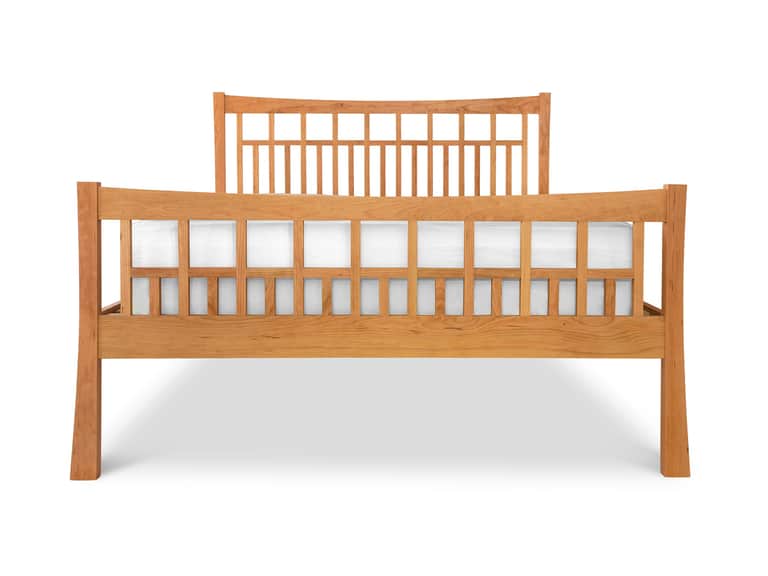
To anchor the discussion of couture-inspired sleep architecture, consider a centerpiece that embodies the fusion of natural materials, craftsmanship, and timeless silhouette. The Contemporary Craftsman High Footboard Bed, handcrafted to order in Vermont from solid Cherry, Maple, or Walnut, offers a grounded, tactile foundation for a linen-forward sleep space. Its eco-friendly oil finish reveals the wood’s natural grain, providing enduring structural support while aging gracefully—an antidote to mass-produced, ephemeral furniture.
This bed exemplifies a design ethos that aligns with couture-for-the-bedroom: the art of selection, a celebration of material truth, and the quiet confidence of a well-made piece. A high-footboard profile adds architectural weight without distracting from the textiles that dress the bed, allowing linen sheets and duvet covers to speak with their own texture and color.
If you choose to visualize this bed in a couture-inspired room, consider a palette that enhances linen’s natural character. Warm wood tones of cherry, maple, or walnut pair beautifully with ecru, flax, or stone fabrics. The result is a bedroom that reads as curated, calm, and enduringly stylish—a space where linen’s texture and the bed’s craftsmanship harmonize to create sleep-worthy ambiance.
Product Details
- Material: Solid Cherry, Maple, or Walnut with eco-friendly oil finish
- Construction: Traditional joinery for lasting strength
- Origin: Handcrafted to order in Vermont, USA
- Care: Wipe with a soft, dry cloth; avoid harsh cleaners
For readers of couturebed, this piece anchors the tactile philosophy: a bed that honors material honesty and craft, inviting linen textures to take center stage in a serene, couture-inspired sleeping environment.
Glossary: Linen and Couture Bedding Terminology
To support readers who seek a practical reference, here are concise definitions aligned with couturebed’s resource-first approach:
- GOTS — Global Organic Textile Standard; a leading certification for organic textiles covering environmental and social criteria.
- Thread count — A measure of the number of threads per square inch; higher counts often imply smoother surfaces, but linen’s feel is less dependent on thread count than cotton.
- Weave — The pattern of interlacing fibers; common luxury bed linens include percale (crisp and cool) and sateen (soft and drapey).
- Finishing — Treatments or processes applied to fabric after weaving, affecting handfeel, luster, and performance, including pre-washing and embroidery.