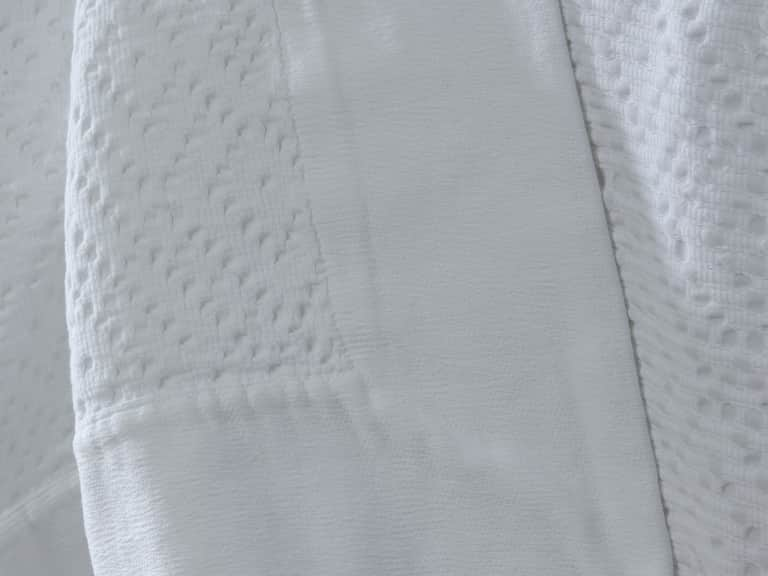
Blankets and quilts constitute a foundational element of bedding that balances warmth, weight, and breathability for varying climates and sleepers. This category highlights fabrics, weaves, and fillings designed to regulate temperature, reduce drafts, and provide a soft, insulating layer. Understanding material types helps users select pieces that align with sleep preferences and room conditions.
Common blanket materials include cotton and wool blends, which offer durability and natural moisture management, along with performance fabrics such as microfiber and cotton percale that emphasize softness and easy care. Quilts often feature quilted stitching and layered batting to create loft, while maintaining a slim profile suitable for layering with sheets and duvet covers.
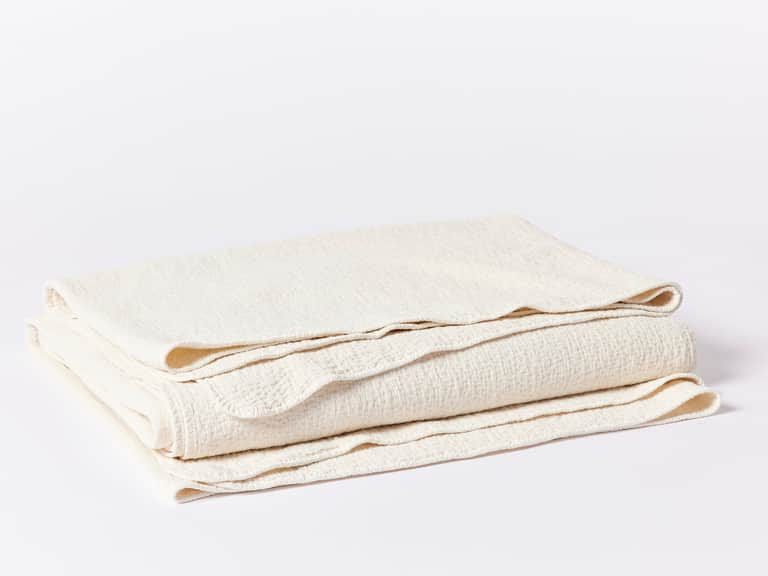
The Tex Bedcover stands out as a representative product in this category, featuring a thoughtfully engineered construction with a balanced weight and a smooth handfeel. Key features typically include durable stitching, even quilt patterns, and a fabric finish designed for longevity, contributing to consistent warmth without overheating. Functional benefits center on comfort and year-round usability.
Materials selection influences care routines, with many fabrics designed for low maintenance and easy washing while preserving color, texture, and integrity. Users should consider thread count, weave density, and filling weight to assess warmth levels. Memory foam pillows and complementary bedding items often pair well with blankets and quilts for a cohesive sleep system.
In educational terms, the category emphasizes how layering works in practice: pairing a breathable base sheet with a versatile quilt or blanket can modulate warmth across seasons. By examining fabric properties, filling composition, and construction techniques, consumers gain insight into durability, care requirements, and overall comfort for different sleeping environments.
 Bedding