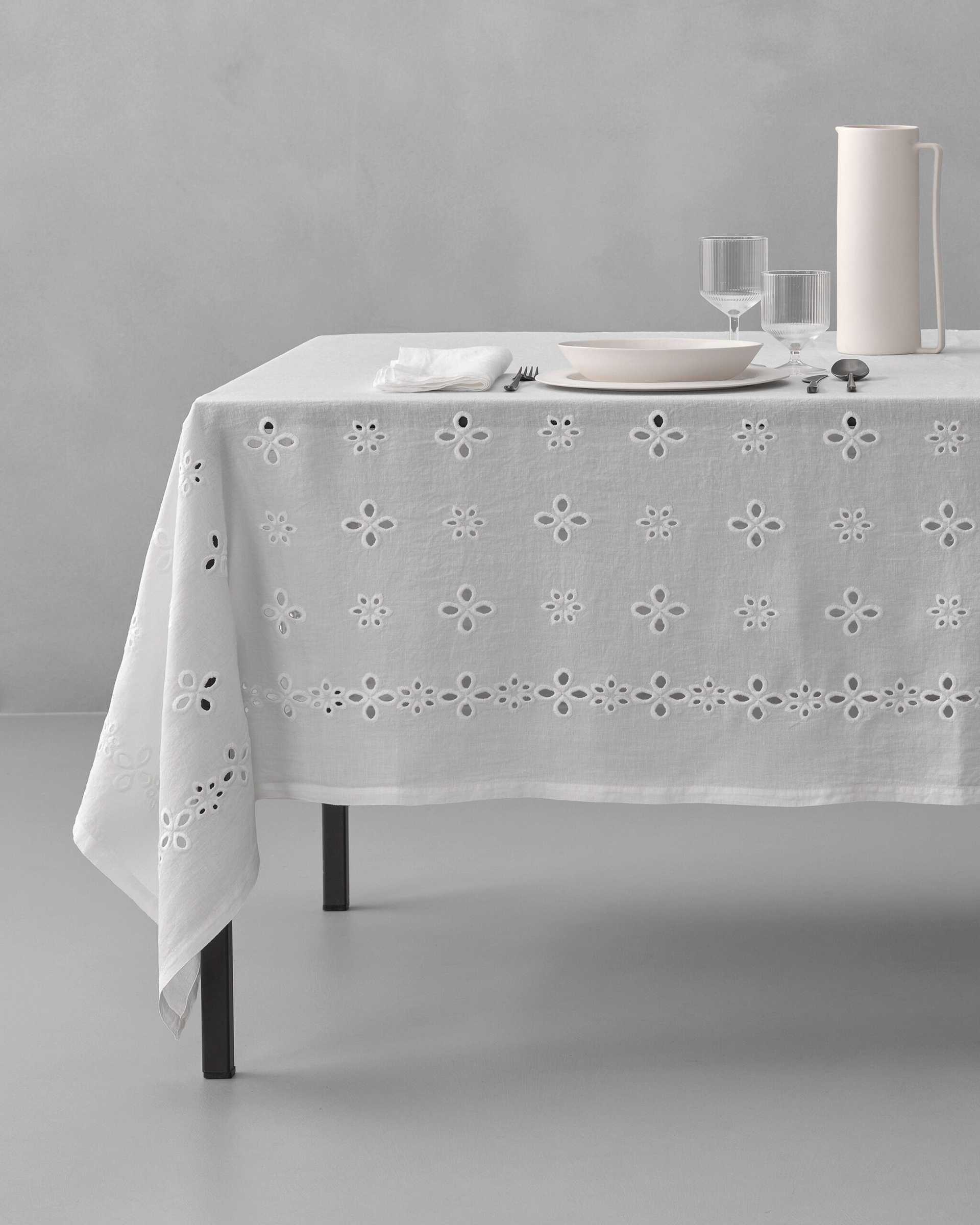
Tablecloths are essential for protecting tabletops while elevating dining aesthetics. In couturebed.com’s context, table linens blend fabric quality, weave, and finish to influence durability, ease of care, and presentation. Understanding fiber types and pre-treatment helps select pieces that resist stains and snagging while maintaining colorfastness under regular use.
Common materials for tablecloths include cotton, linen, and blends, each offering distinct properties. Cotton provides softness and wrinkle resistance, while linen delivers breathability and texture. Blends seek a balance between durability and ease of care. The choice affects spill resilience, laundering frequency, and overall table setting impact.
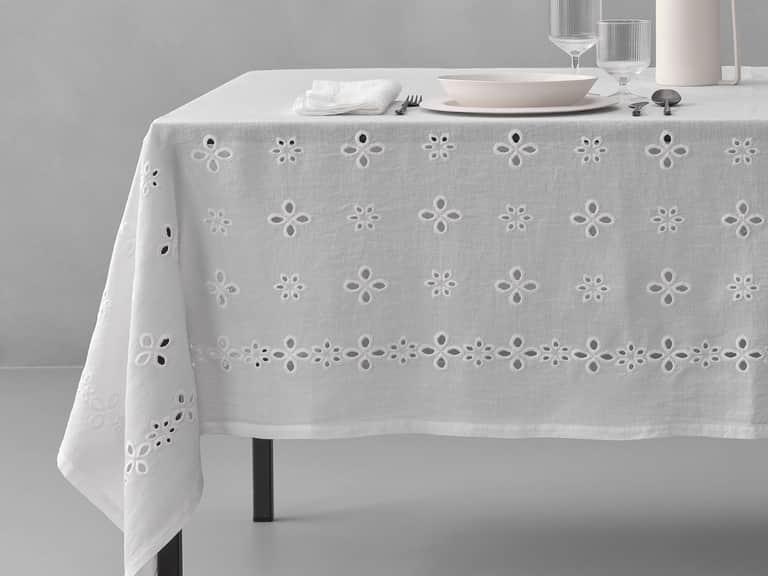
In this category, notable items such as the Bijou Table Cloth demonstrate practical features like dimension accuracy, hem stitching, and drape quality. Functional benefits include protection of table surfaces, reduction of heat and condensation effects from serving ware, and the ability to coordinate with varying table shapes and sizes.
Fabric finishes, such as sateen or matte textures, influence tactile experience and visual presentation. Colorfastness is a key consideration to prevent fading after multiple washes. Proper care guidelines—such as recommended washing temperatures and ironing practices—extend the life of tablecloths without compromising fabric integrity.
When evaluating tablecloths for formal dining or everyday use, consider size compatibility, fiber content, weave density, and care requirements. Bijou Table Cloth variants illustrate how fabric choice and construction affect flow, coverage, and resistance to staining. Integrating these factors with bedding elements like sheets and pillow sets completes a cohesive tabletop and bedroom aesthetic.
 Table
Table